this glossary is aimed at people who need information about music
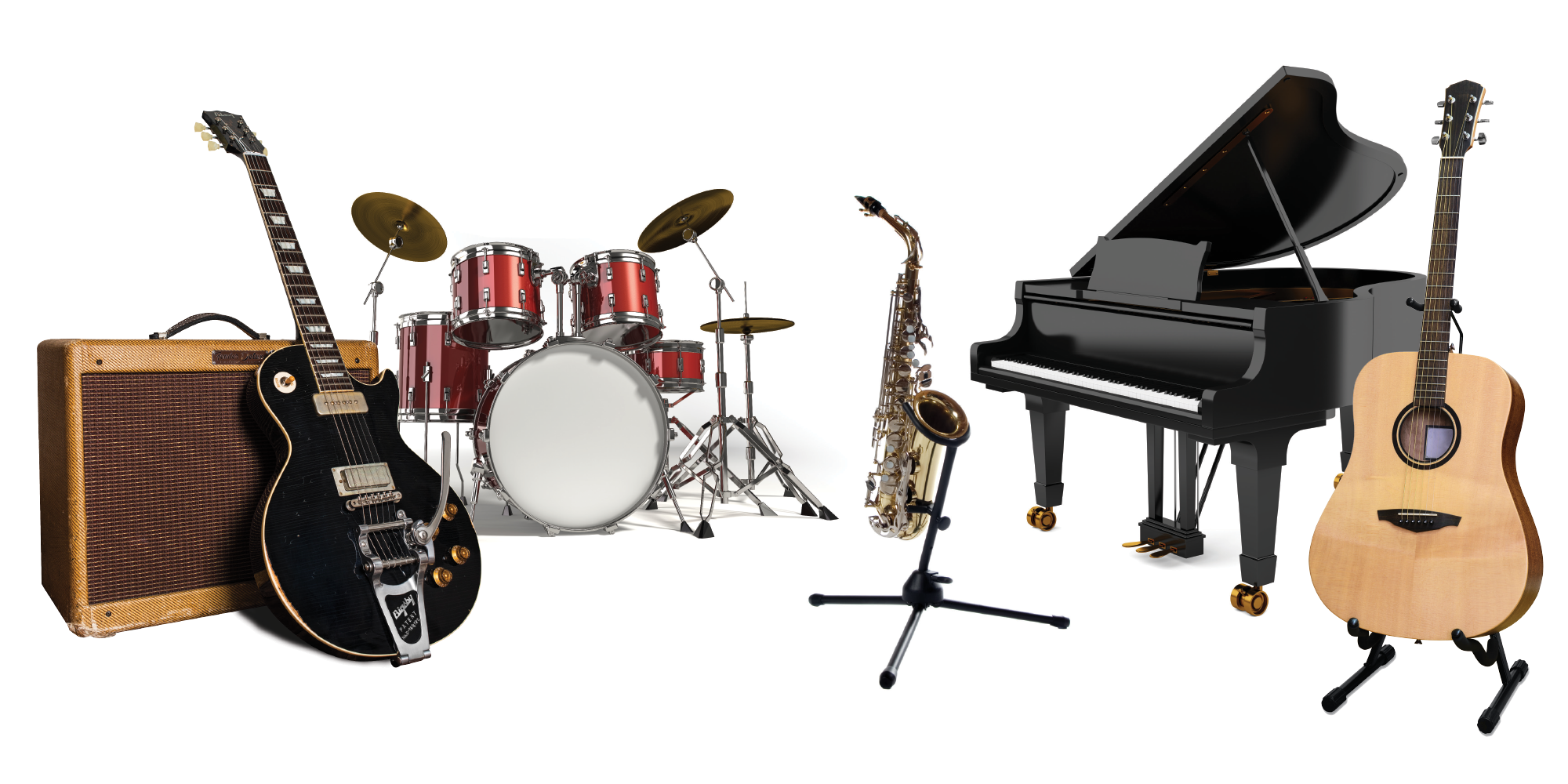
ACOUSTIC INSTRUMENTS
noun
Acoustic music is music that solely or primarily uses instruments that produce sound through acoustic means, as opposed to electric or electronic means
Example: Acoustic string instrumentations had long been a subset of popular music, particularly in folk.
en: INSTRUMENTOS ACÚSTICOS
Chord
noun
A group of (typically three or more) notes sounded together, as a basis of harmony.
Example: Play, sing, or arrange notes in chords.
en: Acorde
CHOREOGRAPHY
noun
choreography Add to list Share. Use the noun choreography to describe the plan for how dancers will move on a stage during a show, play, or dance. ...
Example: Choreography is particularly important in musical theater, ballet, opera, and dance recitals. The Greek roots of choreography are khoreia, "dance," and graphein, "to write."
en: COREOGRAFÍA
Chromatic scale
noun
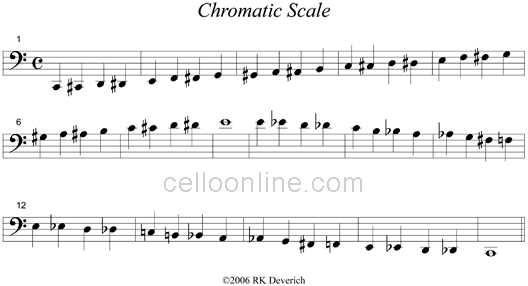
The chromatic scale is a set of twelve pitches (more completely, pitch classes) used in tonal music, with notes separated by the interval of a semitone. ... Most music uses subsets of the chromatic scale such as diatonic scales.
Example: The chromatic scale is a scale that contains all 12 pitches found in Western music. One octave of chromatic notes would consist of the following pitches: C. C♯/D♭
en: Escala cromática
Chromatism
noun
Is having colors, or a musical scale that includes half tones and full tones. An example of something chromatic is a rainbow. ... (music) Related to or using notes not belonging to the diatonic scale of the key in which a passage is written.
Example: Is the use of notes that lie outside the scale on which a passage is based. ... While Baroque and Classical music typically feature some degree of chromaticism, Romantic music took the effect to new extremes, thereby opening a new world of possibilities for both melodies and chords.
en: Cromatismo
Compass
noun
'a circle,' designates the range of notes of any voice or instrument as lying within the limits of the extreme sounds it is capable of producing.
Example: The compass of voices for chorus purposes is from F below the bass stave to A above the treble stave.
en: compás
COMPOSITION
noun
Musical composition, the act of conceiving a piece of music, the art of creating music, or the finished product. These meanings are interdependent and presume a tradition in which musical works exist as repeatable entities.
Example: In this sense, composition is necessarily distinct from improvisation.
en: composicion
Consonant
noun
Consonance and dissonance, in music, the impression of stability and repose (consonance) in relation to the impression of tension or clash (dissonance) experienced by a listener when certain combinations of tones or notes are sounded together
Example: sounds are often described with words like “pleasant”, “agreeable
en: consonante
Counterpoint
noun
art of combining different melodic lines in a musical composition. It is among the characteristic elements of Western musical practice.
Example: The relationship between two or more musical lines (or voices).
en: Contrapunto
Delay
noun
A period of time by which something is late or postponed.
Example: Make (someone or something) late or slow.
en: Demora
Diatonic scale
noun
Alternative Title: diatonic scale. Diatonic, in music, any stepwise arrangement of the seven “natural” pitches (scale degrees) forming an octave without altering the established pattern of a key or mode—in particular, the major and natural minor scales.
Example: In music theory, a diatonic scale is any heptatonic scale that includes five whole steps (whole tones) and two half steps (semitones) in each octave, in which the two half steps are separated from each other by either two or three whole steps, depending on their position in the scale.
en: escala diatonica
Dissonance
noun
Dissonance, in music, the impression of stability and repose (consonance) in relation to the impression of tension or clash (dissonance) experienced by a listener when certain combinations of tones or notes are sounded together.
en: Disonancia
dodecaphonic
noun
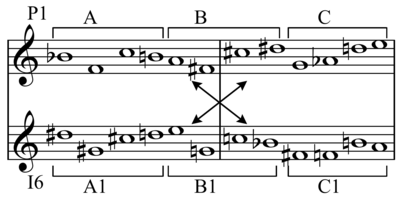
A method of composition that holds all twelve tones of the chromatic scale available for use, not restricting the music to those notes of major, minor, or other restrictive scale.
Example: Twelve-tone technique—also known as dodecaphony, twelve-tone serialism, and twelve-note composition—is a method of musical composition devised by Austrian composer Arnold Schoenberg. ... It is commonly considered a form of serialism
en: Dodecafonismo
ELECTRONIC GENERATION INSTRUMENTS
noun
An electronic musical instrument is a musical instrument that produces sound using electronics
Example: An electronic instrument might include a user interface for controlling its sound, often by adjusting the pitch, frequency, or duration of each note.
en: INSTRUMENTOS DE GENERACIÓN ELECTRÓNICA
equalization
noun
is the process commonly used to alter the frequency response of an audio system using linear filters
Example: Since equalizers "adjust the amplitude of audio signals at particular frequencies," they are, "in other words, frequency-specific volume knobs".
en: ecualización
Fifth
noun
In classical music from Western culture, a fifth is the interval from the first to the last of five consecutive notes in a diatonic scale
Example: the interval from C to G is a perfect fifth, as the note G lies seven semitones above C
en: quinta
Harmony
noun
The combination of simultaneously sounded musical notes to produce chords and chord progressions having a pleasing effect.
Example: An arrangement of the four Gospels, or of any parallel narratives, which presents a single continuous narrative text.
en: Armonia
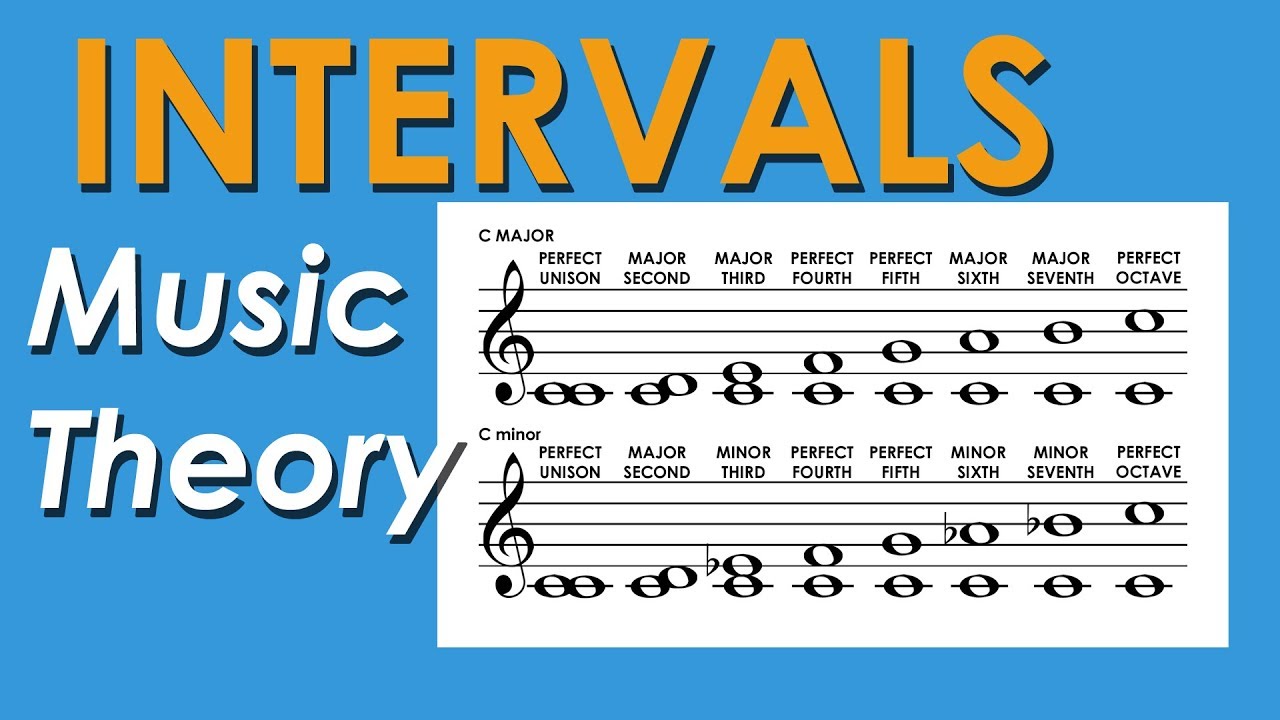
Interval
noun
Interval, in music, the inclusive distance between one tone and another, whether sounded successively (melodic interval) or simultaneously (harmonic interval).
Example: An interval is the distance in pitch between two tones. It is labeled by its numerical value and its quality. The numerical value indicates the number of tones
en: Intervalo
Melody
noun
Melody is a timely arranged linear sequence of pitched sounds that the listener perceives as a single entity. Melody is one of the most basic elements of music. A note is a sound with a particular pitch and duration.
Example: First of all, a melodic line of a piece of music is a succession of notes that make up a melody.
en: Melodia
Metrics
noun
Metric rhythm, which is common to many types of music, involves the subdivision of the measure into equal units marked by a pulse called the beat. The first beat of the measure is usually accented.
Example: METRONOME, NOTE, POLYPHONY. Metric rhythm may be isometric or multimetric
en: metrica
MONITORS
noun
The monitor system reproduces the sounds of the performance and directs them towards the onstage performers (typically using wedge-shaped monitor speaker cabinets), to help them hear the instruments and vocals.
Example: essentially the process of hearing what you are recording or streaming
en: MONITORES
MUSICAL GENRES
noun
A music genre is a conventional category that identifies some pieces of music as belonging to a shared tradition or set of conventions
Example: The artistic nature of music means that these classifications are often subjective and controversial, and some genres may overlap.
en: GÉNEROS MUSICALES
Pitch
noun
Pitch, in music, position of a single sound in the complete range of sound. ... Sounds are higher or lower in pitch according to the frequency of vibration of the sound waves producing them.
Example: highness or lowness of sound. 2 : amount of slope
en: altura
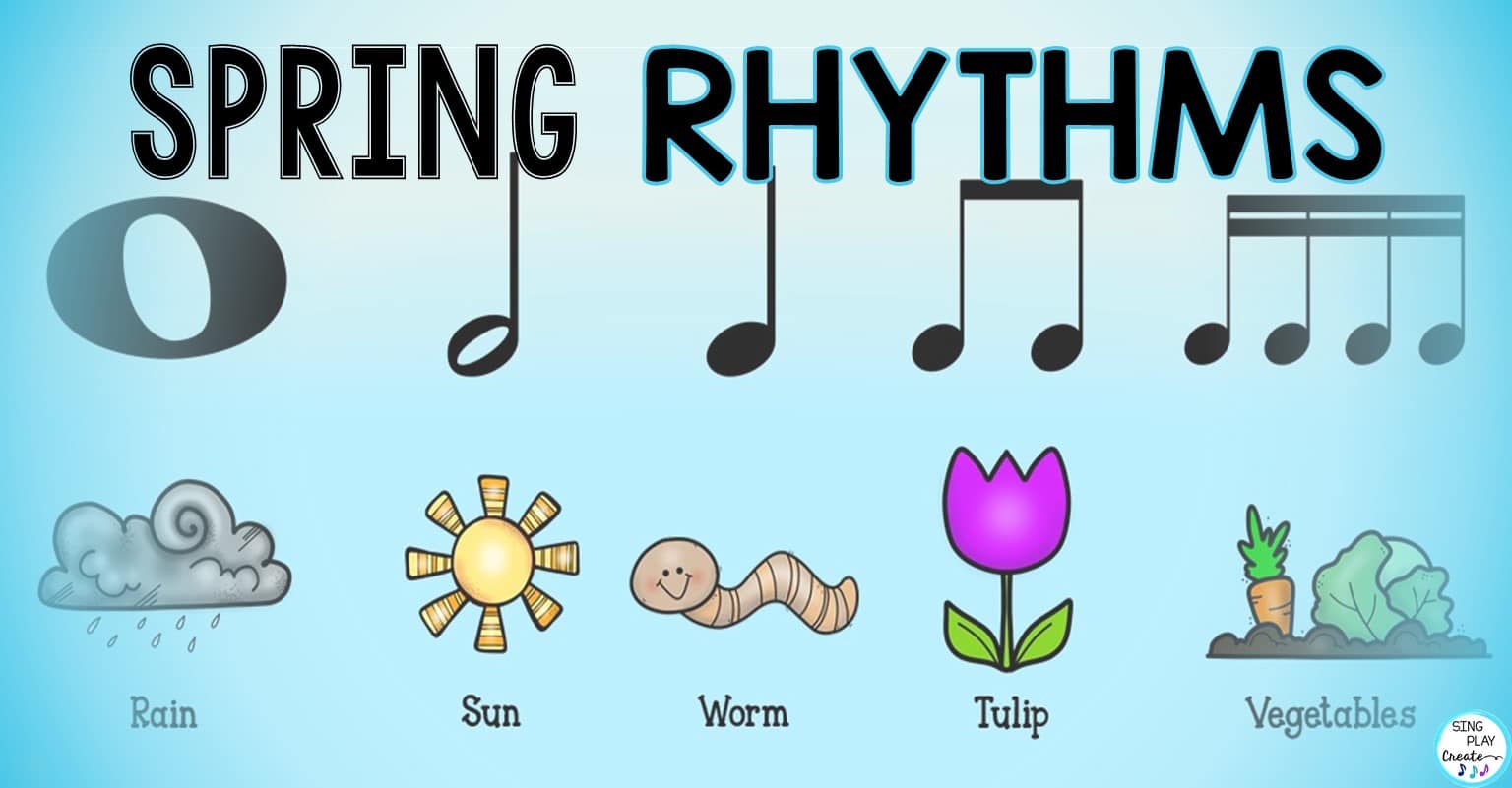
Quarter
noun
A quarter note (American) or crotchet (British) is a note played for one quarter of the duration of a whole note (or semibreve). Often, musicians will say that a crotchet is one beat, but this is not always correct, as the beat is indicated by the time signature of the music; a quarter note may or may not be the beat.
Example: A Quarter note is played and held for 1 count, and is the most common note length in music.
en: Cuarta
Reverb
noun
An effect whereby the sound produced by an amplifier or an amplified musical instrument is made to reverberate slightly.
Example: A device for producing reverb on an amplified musical instrument.
en: Reverberación
Rhythm
noun
Rhythm is music's pattern in time. Whatever other elements a given piece of music may have (e.g., patterns in pitch or timbre), rhythm is the one indispensable element of all music.
Example: In music that has both harmony and melody, the rhythmic structure cannot be separated from them.
en: ritmo
scale
noun
Scale, in music, any graduated sequence of notes, tones, or intervals dividing what is called an octave. Scale. Mode. Diatonic. Pitch.
Example: A scale is a group of notes that are arranged by ascending or descending order of pitch. In an ascending scale, each note is higher in pitch than the last one and in a descending scale, each note is lower in pitch than the last one
en: escala
Sound
noun
Musical sound, any tone with characteristics such as controlled pitch and timbre. The sounds are produced by instruments in which the periodic vibrations can be controlled by the performer
Example: Sound is the term to describe what is heard when sound waves pass through a medium to the ear. All sounds are made by vibrations of molecules through which the sound travels. For instance, when a drum or a cymbal is struck, the object vibrates. These vibrations make air molecules move.
en: sonido
Structure
noun
Structure is the order that different parts of the song are played in. Traditional pop music usually follows a verse, chorus, verse structure.
Example: If you listen to your favourite pop song you might notice that it not only follows this structure but it will repeat the chorus as this is the catchy bit of the song.
en: estructura
Tonality
noun
Generally, any Western or non-Western music periodically returning to a central, or focal, tone exhibits tonality
Example: More specifically, tonality refers to the particular system of relationships between notes, chords, and keys (sets of notes and chords) that dominated most Western music from c. 1650 to c.